Handcrafted decorative lighting since 1980 · Worldwide project support

Blog

How to Choose Tiered Chandeliers for Any Space

How to Choose Tiered Chandeliers for Any Space

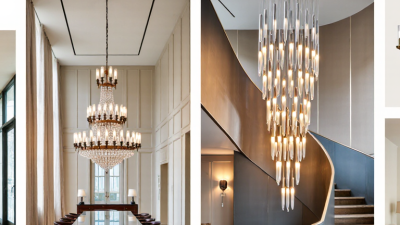
Choosing the right chandelier can transform a room, but size and proportion matter more than appearance alone. Tiered Chandeliers create layered light, visual movement, and a strong architectural focal point. Their cascading forms suit dining rooms, stairwells, entry halls, bedrooms, and open-plan living areas. Yet a dramatic design can overwhelm a low ceiling or narrow room. This guide explains how to match chandelier height, diameter, finish, and light direction with each space. Measure the room before browsing. Note the ceiling height, table width, walking paths, and nearby furniture. A fixture that looks elegant in a showroom may feel crowded above a small dining table. Warm bulbs can soften glass and metal, while brighter options may improve visibility in larger spaces. Check the manufacturer’s specifications carefully, including weight, bulb type, dimming compatibility, and recommended installation height. Practical experience also reveals a less comfortable truth: there is no universal formula. A common sizing rule can help, but personal taste and room structure still influence the result. I have seen oversized fixtures succeed in modest rooms when the ceiling was tall and the furniture stayed simple. I have also seen beautiful chandeliers fail because their lowest tier blocked conversation. Professional lighting guidance can prevent those mistakes, especially for heavy or complex installations. Use this article to compare styles with evidence, question assumptions, and select a tiered design that feels intentional rather than merely impressive. Some choices will still require adjustment. That is normal.
Read more »
Olivia By:Olivia - September 18, 2026
Why Choose Handcrafted Chandeliers for Your Project?

Why Choose Handcrafted Chandeliers for Your Project?

Choosing Handcrafted Chandeliers for Your Project means choosing more than a decorative ceiling fixture. It means selecting a focal point shaped by human skill, material knowledge, and careful attention. Unlike mass-produced lighting, each piece may reveal subtle variations in glass, metal, wood, or crystal. Those details create character. They also make the room feel less predictable. Lighting designer Ingo Maurer said, “The most important thing about light is that it creates atmosphere.” His observation explains why Handcrafted Chandeliers deserve serious consideration in residential, hospitality, and commercial interiors. A well-designed chandelier can soften a stone dining room, draw attention to a double-height entrance, or add warmth above a polished reception desk. Its scale, color temperature, suspension height, and light distribution must work together. Beauty alone is not enough. The practical value becomes visible during installation. Skilled makers can often adjust finishes, dimensions, canopy details, and bulb arrangements for a specific space. That flexibility helps designers respond to unusual ceilings or demanding visual concepts. Still, handcrafted does not automatically mean perfect. A small asymmetry may appear. A finish may age differently than expected. These imperfections require honest discussion, not romantic excuses. Buyers should review material samples, maintenance requirements, electrical specifications, and the maker’s previous projects. They should also ask who will install and service the fixture. This article explores why Handcrafted Chandeliers can strengthen a project’s identity, atmosphere, and long-term value. It also considers when their higher cost is justified—and when it may not be.
Read more »
Eleanor By:Eleanor - September 18, 2026
How to Choose Outdoor Chandeliers for Any Space?

How to Choose Outdoor Chandeliers for Any Space?

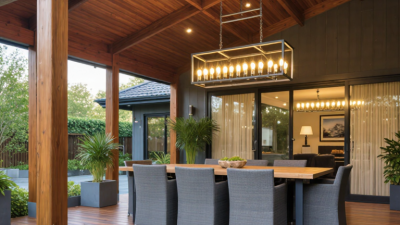
Choosing Outdoor Chandeliers is not only a style decision. It is a practical investment in comfort, safety, and long-term outdoor living. A well-selected fixture can turn a plain patio into a welcoming dining space, with warm light falling across a wooden table and nearby planting. The right choice depends on several details. Measure the ceiling height, seating area, and chandelier diameter before shopping. Consider wind exposure, humidity, dust, salt air, and seasonal temperature changes. Look for weather-rated construction, corrosion-resistant finishes, and sealed electrical components. A covered porch may need different protection than an open terrace. Local electrical requirements should guide installation, especially around moisture. A qualified electrician can confirm whether the mounting point and wiring are suitable. Style still matters. Woven textures can soften a modern patio, while metal frames may suit a structured architectural design. Bulb brightness and color temperature also affect the atmosphere. Warm light usually feels more comfortable for evening meals. Too much brightness can make the space feel harsh. It is easy to overlook wind. Real-world experience reveals small problems that product photographs hide. A large chandelier may look elegant but swing noticeably in a breezy courtyard. A dark finish may absorb heat under strong sunlight. These details deserve honest consideration. This guide compares size, materials, ratings, lighting performance, installation needs, and maintenance. Some recommendations will depend on climate and personal taste, so no single fixture suits every space. Careful planning remains the most reliable path to a beautiful, durable result.
Read more »
Olivia By:Olivia - September 18, 2026