
Handcrafted decorative lighting since 1980 · Worldwide project support

0%

Choosing the right chandelier can transform a room, but size and proportion matter more than appearance alone. Tiered Chandeliers create layered light, visual movement, and a strong architectural focal point. Their cascading forms suit dining rooms, stairwells, entry halls, bedrooms, and open-plan living areas. Yet a dramatic design can overwhelm a low ceiling or narrow room.

This guide explains how to match chandelier height, diameter, finish, and light direction with each space. Measure the room before browsing. Note the ceiling height, table width, walking paths, and nearby furniture. A fixture that looks elegant in a showroom may feel crowded above a small dining table. Warm bulbs can soften glass and metal, while brighter options may improve visibility in larger spaces. Check the manufacturer’s specifications carefully, including weight, bulb type, dimming compatibility, and recommended installation height.

Practical experience also reveals a less comfortable truth: there is no universal formula. A common sizing rule can help, but personal taste and room structure still influence the result. I have seen oversized fixtures succeed in modest rooms when the ceiling was tall and the furniture stayed simple. I have also seen beautiful chandeliers fail because their lowest tier blocked conversation. Professional lighting guidance can prevent those mistakes, especially for heavy or complex installations. Use this article to compare styles with evidence, question assumptions, and select a tiered design that feels intentional rather than merely impressive. Some choices will still require adjustment. That is normal.
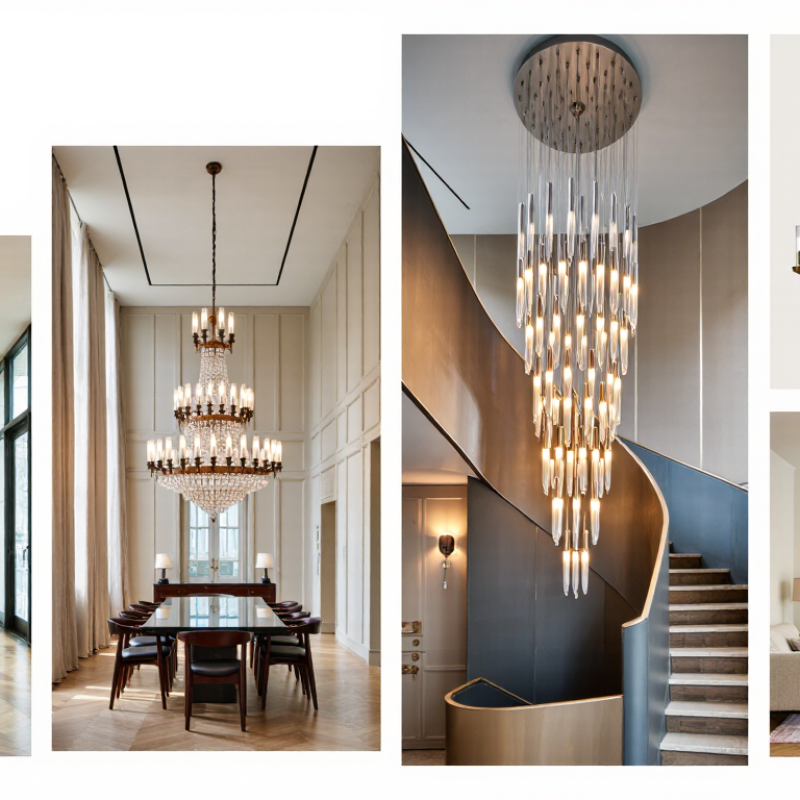
How to Choose Tiered Chandeliers for Any Space

Assess the Space, Ceiling Height, and Lighting Needs

A tiered chandelier should fit the room, not dominate it. Start by measuring the space, including furniture placement and walking paths. In a dining room, the fixture should visually center over the table. In a living room, align it with the main seating area instead. I have seen beautiful fixtures look awkward when they were centered on the room, but not on the furniture. Measure twice.

Ceiling height strongly affects comfort and proportion. A low ceiling usually needs fewer tiers and a compact vertical profile. In taller rooms, multiple tiers can fill the open air without appearing lost. Keep the chandelier’s lowest point safely above head level and away from doors or cabinets.

Lighting needs matter just as much. Use layered lighting with recessed, wall, or table fixtures. A warm white setting often suits dining and living areas, while brighter light can support work zones. A dimmer adds useful control. Even careful planning can miss the room’s evening mood.

Tips: Measure the table, ceiling, and clearance separately. Stand beneath a paper template before ordering. Check whether the tiers block sightlines across the room. If the space feels visually crowded, choose a simpler frame or a narrower diameter. A slightly imperfect fit may still work, but it deserves a second look.

Choose the Right Tiered Chandelier Size and Structure

Choosing a tiered chandelier begins with the table, ceiling, and viewing distance. For a 72-inch dining table, a fixture around 36 to 48 inches wide usually feels proportional. Keep its lowest tier about 30 to 36 inches above the tabletop. This protects sightlines while preserving a strong focal point. The formula is useful, but not sacred.

The structure should match the room’s vertical scale. A compact two-tier chandelier suits an eight-foot ceiling better than a dramatic six-tier design. In a foyer with a tall ceiling, staggered tiers can fill empty air without making the entry feel crowded. Leave clear walking space below, especially near doors and staircases. I have seen oversized fixtures look impressive online but feel visually heavy in smaller rooms.

Lighting demand also supports careful planning. Houzz’s 2024 U.S. Kitchen Trends Study reported that 64% of renovating homeowners upgraded their lighting. That figure reflects growing attention to layered illumination, not merely decoration. The U.S. Department of Energy states that LED bulbs use at least 75% less energy and last up to 25 times longer than incandescent bulbs. Choose dimmable LED sources when possible, then test the chandelier at night. A tier may cast beautiful shadows, yet still create glare. That detail is easy to miss.

Match Materials, Colors, and Design Style to the Interior

Choosing a tiered chandelier starts with the room’s existing materials. Match warm brass with oak, cream paint, or terracotta for a softer atmosphere. Black steel suits concrete, walnut, and crisp white walls. Opal glass can reduce glare over a dining table, while clear glass creates sharper shadows. I once paired polished metal with cool-white lamps, and the room felt colder than expected. The finish looked right in daylight, but not at night.

Color temperature changes the design more than many buyers expect. The Illuminating Engineering Society commonly recommends warm residential lighting near 2700–3000K. Test one lamp beside the wall color before ordering multiple tiers. The U.S. Department of Energy reports that LED lighting uses at least 75% less energy than incandescent lighting and lasts up to 25 times longer. Efficiency matters, but dimming quality matters too. A chandelier that flickers can undermine an otherwise careful interior. Check compatibility with the dimmer and the lamp type.

Design style should guide the tier shape. Slim cascading rings feel contemporary, while stepped glass pieces work better with transitional furniture. For a low ceiling, choose wider tiers with limited vertical drop. For a tall entryway, let the chandelier occupy visual height without blocking sightlines. Measure twice. This is where online room images can mislead; proportions rarely translate perfectly into real space. (Sources: U.S. Department of Energy, Energy Saver; Illuminating Engineering Society, residential lighting recommendations.)

Plan Placement, Hanging Height, and Installation Requirements

How to Choose Tiered Chandeliers for Any Space

Plan the chandelier around the room, not the product photograph. Measure the table, ceiling, walking paths, and nearby doors before choosing a tiered design. For dining areas, professional lighting guidance commonly places the chandelier 30 to 36 inches above the tabletop. In rooms with standard ceilings, keep the lowest tier at least 7 feet above the finished floor. Higher ceilings need more drop, but visual balance matters more than a rigid formula.

Use painter’s tape to mark the fixture’s diameter and hanging point. It feels basic. Yet this quick test reveals whether the chandelier blocks sightlines or crowds artwork. The Illuminating Engineering Society recommends designing for useful task light, controlled glare, and comfortable brightness, rather than relying on decoration alone. A wide fixture over a narrow table can feel visually heavy. A small fixture may disappear beneath a tall ceiling. I have seen both mistakes survive the first installation review.

Installation planning should happen before ordering. Confirm the ceiling box, structural support, circuit capacity, dimmer compatibility, and fixture weight with a qualified electrician. Follow NFPA 70 requirements and the manufacturer’s installation instructions. The U.S. Department of Energy reports that LED lighting uses at least 75% less energy and lasts up to 25 times longer than incandescent lighting. That efficiency helps, but it does not solve poor placement. Leave access for cleaning, allow door clearance, and check the final light at night. Daylight can hide an imperfect plan.

How to Choose Tiered Chandeliers for Any Space

Plan placement, hanging height, and installation requirements with practical sizing guidelines based on room dimensions and standard clearance recommendations.

How to read the chart: A common sizing guideline is to add the room’s length and width in feet to estimate the chandelier diameter in inches. For dining areas, position the fixture approximately 30–36 inches above the tabletop. In rooms without a table, keep the bottom of the chandelier at least 7 feet above the floor and confirm that the ceiling box, support structure, and electrical load can accommodate the fixture.

Compare Energy Use, Maintenance Needs, Safety, and Budget

Choosing a tiered chandelier starts with the room, but energy use should shape the decision. A large fixture may need many bulbs, increasing monthly electricity costs. LED bulbs usually use less energy and produce less heat than traditional bulbs. Check the fixture’s maximum wattage before purchasing. Also, confirm that the bulbs and dimmer are compatible. I once overlooked this detail, and the lights flickered constantly.

Maintenance matters in rooms with high ceilings. Dust gathers on every tier, especially around glass drops and narrow metal arms. Choose removable components and finishes that can be wiped without harsh chemicals. A long-reach duster may help, but professional cleaning is safer for very tall installations. Inspect loose parts twice a year. Small problems can become expensive repairs.

Safety and budget deserve equal attention. The ceiling must support the chandelier’s weight, and installation should follow local electrical requirements. Use a qualified electrician when new wiring or reinforced mounting is needed. Include bulbs, installation, cleaning tools, and future repairs in the real budget. The cheapest fixture may cost more over time. My own estimates have been too optimistic before.

Tips: Measure the ceiling height and table width first. Leave comfortable headroom below the lowest tier. Compare the fixture’s total wattage, bulb lifespan, and replacement cost. Ask for clear cleaning instructions. If the design feels oversized on paper, trust that concern and choose a smaller scale.

FAQS

How should I position a tiered chandelier in a dining room?

Center it over the dining table, not automatically in the room. Measure the table and walking paths separately. Measure twice.

What chandelier size suits a 72-inch dining table?

A width of 36 to 48 inches usually looks balanced. Keep the lowest tier about 30 to 36 inches above the tabletop. The formula helps, but room proportions still matter.

Which tiered design works best with a low ceiling?

Choose fewer tiers and a compact vertical shape. A two-tier fixture often suits an eight-foot ceiling better. Avoid a crowded look.

How should I choose a chandelier for a tall foyer?

Several staggered tiers can fill empty vertical space. Keep doors, stairs, and walking routes clear below it. A dramatic fixture may still feel too heavy.

What clearance should I check before installation?

Keep the lowest point safely above head level. Check nearby doors, cabinets, staircases, and sightlines. Stand beneath a paper template first.

How can I prevent a chandelier from blocking views?

Test sightlines while sitting and standing across the room. If tiers interrupt conversation, choose a narrower frame or simpler structure. Online proportions can mislead.

What lighting color works well in living and dining areas?

Warm white light usually creates a comfortable evening atmosphere. Brighter light can support work zones. A dimmer adds control.

Are LED sources suitable for tiered chandeliers?

Dimmable LED sources can reduce energy use and last longer. Test the fixture at night before finalizing it. Beautiful shadows can still cause glare. I might miss that detail.

Conclusion

Choosing Tiered Chandeliers begins with understanding the space, ceiling height, and desired lighting effect. Consider the room’s dimensions, natural light, furniture arrangement, and whether the fixture will provide ambient, task, or decorative illumination. Select a chandelier with a suitable diameter, number of tiers, and overall structure so it enhances the room without overwhelming it. For high ceilings, a taller design may create balance, while lower spaces generally benefit from a more compact profile.

Materials, finishes, and colors should complement the interior style, whether modern, traditional, minimalist, or transitional. Plan the chandelier’s placement carefully, allowing enough clearance above tables, floors, and walkways, and confirm that the ceiling can support its weight. Before installation, review wiring, mounting hardware, and professional installation requirements. Finally, compare energy efficiency, bulb replacement, cleaning access, durability, safety features, and total cost to ensure the chandelier remains practical and attractive over time.

Olivia

Olivia

Olivia is a dedicated marketing professional with extensive experience in developing clear, engaging, and results-oriented content for modern businesses. As a key contributor to the company’s marketing team, she combines strong industry knowledge with a deep understanding of customer needs, market......